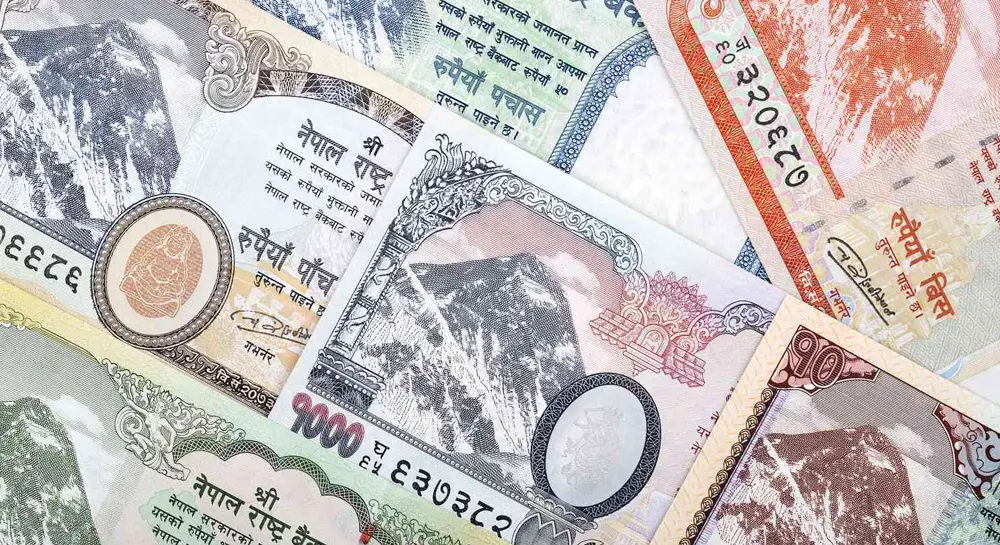
Money Exchange & Banking in Nepal is simple for travelers. The official currency is the Nepalese Rupee (NPR).
Authorized Exchange: Change your foreign money only at banks or official exchange counters. These are easy to find in Kathmandu, Pokhara, and other big cities.
Convertible Currencies: You can exchange popular money like US Dollars, Australian Dollars, Canadian Dollars, Euros, British Pounds, Japanese Yen, and some other common currencies. You can check the current official exchange rates on the Nepal Rastra Bank website.
Departure Exchange: You have the privilege of exchanging remaining Nepalese Rupees back into your home currency at Tribhuvan International Airport before your departure, provided you have your original exchange receipts (Encashment Certificates).
Banks & Business Hours
Money Exchange & Banking
Banking Hours: Most banks are open Sunday to Thursday, around 10:00 AM to 4:00 PM. Hours are shorter on Fridays, and banks are closed on Saturdays and public holidays.
Holidays: Banks and government offices are closed on Saturdays and public holidays. On sudden public holidays, essential money exchange and banking services, like cash transactions, are still available for a few hours.
Money Transfers: You can easily send or receive money through services like Western Union and MoneyGram all over Nepal.
Business Hours: Most shops and malls are open until 8–9 PM. Restaurants and bars in tourist areas like Thamel stay open late at night.
ATM & Card Usage
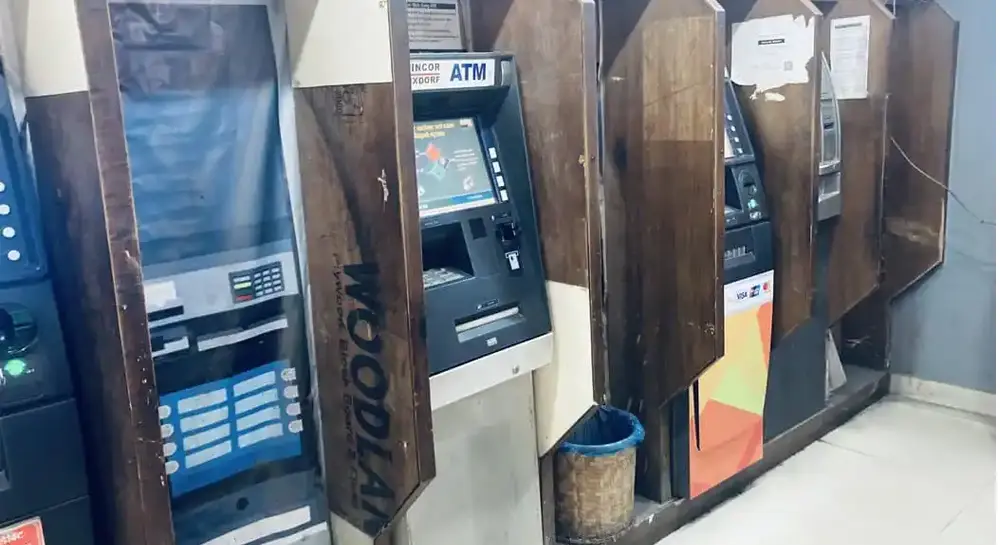
Money Exchange & Banking – ATM
ATM Availability: ATMs are open all day and night in Kathmandu, Pokhara, and other major towns. Most work with international VISA, MasterCard, and American Express cards. In trekking areas like the Everest region (Lukla, Namche Bazaar), ATMs are available, but their reliability can be affected by power outages or network issues, so cash is essential.
Credit and Debit: Cards are accepted in excellent hotels, popular restaurants, and large shopping malls; however, in local markets, small guest houses, or remote trekking areas, cash is required.
Travel Tip: Don’t carry a lot of cash in remote areas. Bring enough money for each day because ATMs are difficult to locate outside big towns.
Money Safety & Regulations (2026)
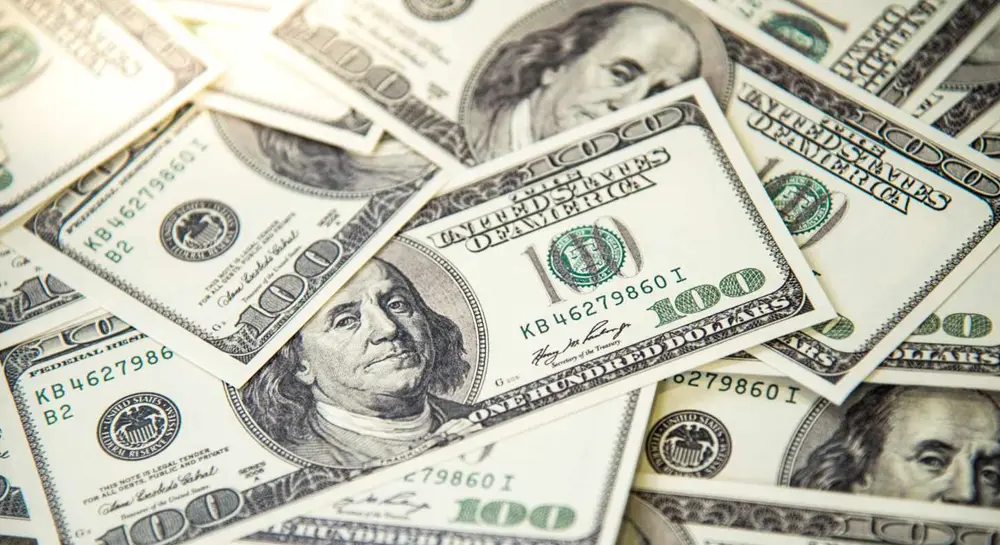
Money Exchange & Banking – US$
Exchange Receipts: Always keep your exchange receipts (Encashment Certificates). You will need them if you want to change NPR back to foreign money at the airport.
Declaration: If you bring more than $5,000 (or an equal amount) in cash into Nepal, you must tell the customs officer when you arrive. This is required by law. You can find more information on the Department of Immigration website.
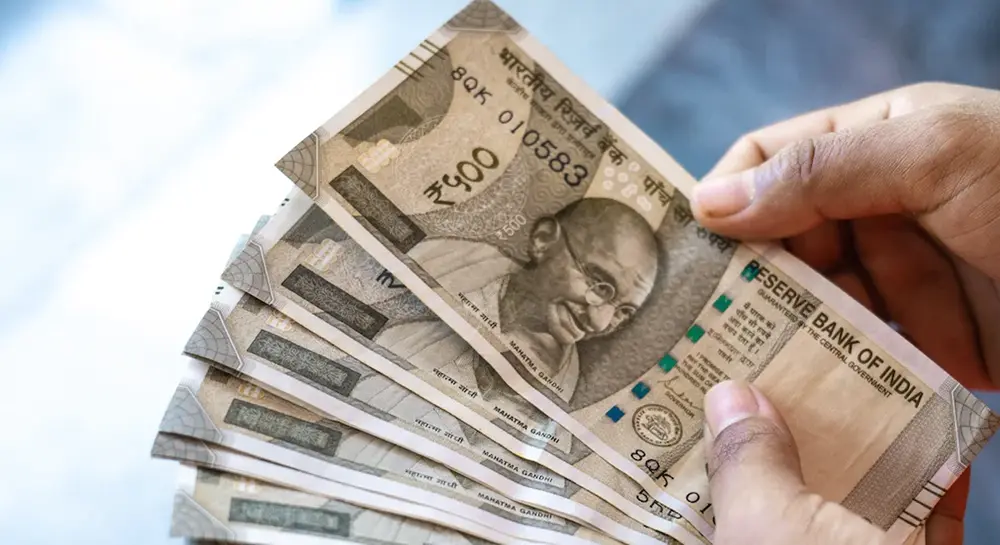
Money Exchange & Banking – Indian Currency: As of January 2026, the rules have been updated:
Money Exchange & Banking – INR
Travelers (both Indian and Nepali citizens) can now carry up to INR 25,000 in high-denomination notes (₹200 and ₹500) when traveling across the border.
Notes should be issued after November 9, 2016.
The old demonetized INR 500 and INR 1,000 notes remain illegal.
For ease of use in local markets and with smaller vendors, it is still safest to carry ₹100-rupee notes or use ATMs to obtain local NPR, as free circulation in all local markets is not yet fully guaranteed.
When you book with an account, you will be able to track your payment status, track the confirmation and you can also rate the tour after you finished the tour.