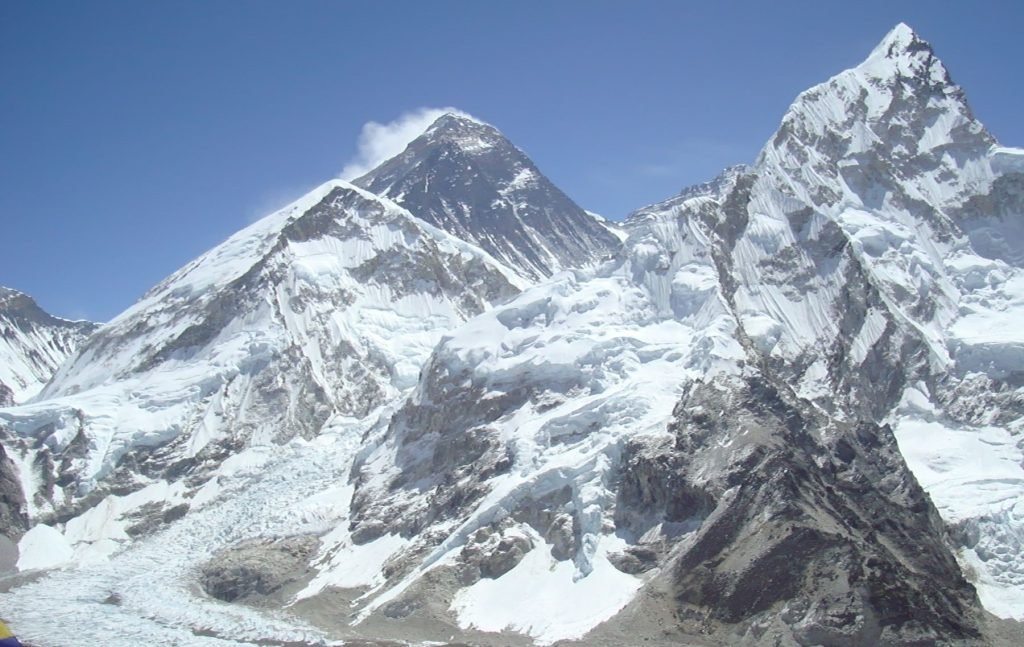
Epic 18-day trek to Everest Base Camp Cho La Pass Gokyo Trek. Experience glaciers, Sherpa villages, and spectacular Everest views.
We are there for you! If you have any questions, then please don’t hesitate to contact us 24/7 and we will get back to you latest within 12 hours!
+977 1 4544092 or +977 9851 014557
info@himalayanluxuryholidays.com
All of our tours can be customized as per your travel plan, places of interest, date of travel, budget. Please contact our travel specialists for all the details.
Customize Now
Epic 18-day trek to Everest Base Camp Cho La Pass Gokyo Trek. Experience glaciers, Sherpa villages, and spectacular Everest views.
The 18-day Everest Base Camp Cho La Pass Gokyo Trek is one of the most amazing adventures in the world. This family-friendly Everest region trekking itinerary offers a perfect mix of high-altitude adventure, serene lakes, and Sherpa culture. Hikers can enjoy teahouse trekking in Everest and Gokyo region while exploring breathtaking landscapes. This itinerary also includes trekking from Lukla to Everest Base Camp via Gokyo, making it one of the most scenic and complete trekking routes in the Himalayas.
This trip combines the famous trek to Everest with a visit to the beautiful Gokyo Lakes and the exciting challenge of crossing the Cho La Pass at 5,420 meters. As you trek through the famous Khumbu region, you will see some of the highest mountains on Earth, including Mount Everest, Lhotse, Makalu, and Cho Oyu. You will also see massive glaciers, bright blue lakes, and charming Sherpa villages along the way.
This route is special because it takes you away from the busy main trails and into the quiet Gokyo Valley. This area is famous for its emerald-colored lakes and incredible viewpoints. During the trek, you will spend time in Namche Bazaar, which is the main town for the Sherpa people. Staying in villages like Machhermo and Gokyo helps your body get used to the high altitude slowly. This means you can enjoy the adventure without rushing, giving you time to visit old monasteries, trek across high suspension bridges, and enjoy the colorful mountain scenery.
This trek is ideal for those who want a challenge but prefer comfortable teahouse stays. You will stay in local teahouses and lodges that provide warm meals and a safe place to rest. Because you will be trekking on glaciers and high-altitude trails, you should be in good physical shape and have plenty of energy. It is a dream trip for photographers and nature lovers who want to see the best views in the Himalayas.
A major highlight is crossing the Cho La Pass, which connects the Gokyo Valley to the Everest trail. It is a tough climb, but reaching the top gives you a wonderful sense of achievement and a 360-degree view of the giant peaks. You will also get to stand at the iconic Everest Base Camp and hike up to the Kala Patthar viewpoint for the best close-up look at Mount Everest. Whether you are an experienced hiker or just looking for a life-changing adventure, this trek offers a perfect mix of nature and culture that you will never forget.
The Everest Base Camp, Cho La Pass, and Gokyo Trek route covers around 130–150 km through the stunning Khumbu region and passes through Sagarmatha National Park, offering incredible views of glaciers, valleys, and towering Himalayan peaks. The Everest Base Camp, Cho La Pass, and Gokyo Trek begins with an exciting flight from Kathmandu or Ramechhap to Lukla.
This flight gives you amazing views of the Himalayan mountain range from above. Once you land, the route starts along the Dudh Koshi River. You will walk across high suspension bridges and through traditional Sherpa villages before reaching Namche Bazaar. This route is considered one of the most scenic Everest region trekking routes, combining Everest Base Camp, the beautiful Gokyo Lakes, and the challenging Cho La Pass crossing.
After leaving Namche, you will walk north through beautiful forests and high mountain fields to reach the villages of Dole, Machhermo, and finally, Gokyo. The Gokyo Valley is famous for its beautiful blue lakes and quiet atmosphere. It is much less crowded than the main Everest trail. Many hikers choose to climb Gokyo Ri, which is a high viewpoint that offers incredible views of Mount Everest, Cho Oyu, and the massive Ngozumpa Glacier. This part of the trip is perfect for meeting local Sherpa people and learning about their mountain life.
The trek gets more challenging as you move toward Thangnak and Dzongla. The biggest highlight here is crossing the Cho La Pass, which is 5,420 meters high. This steep pass connects the Gokyo Valley with the main trail to Everest Base Camp. At the top, you will be rewarded with breathtaking views of snowy peaks and frozen landscapes. After crossing the pass, you will continue your journey to Lobuche and Gorakshep until you finally reach the legendary Everest Base Camp. Standing at the foot of the world’s tallest mountain is a moment you will never forget.
To finish the adventure, you will climb up to Kala Patthar early in the morning to watch the sunrise over Mount Everest. This is the best place to get close-up photos of the peak. Afterward, you will walk back down through the mountains, passing through Namche Bazaar again on your way to Lukla. Finally, you will take a scenic flight back to Kathmandu. This entire route is a perfect mix of natural beauty, mountain adventure, and local culture in the heart of the Himalayas.
The Everest Base Camp, Cho La Pass, and Gokyo Trek are perfect for people who are in good shape and love a challenge. While it helps if you have trekked before, it is not required. The trip is designed to go slowly, with rest days in Namche Bazaar and Gokyo to help your body get used to the high altitude.
This trek is a dream for adventure lovers, nature enthusiasts, and photographers who want to see Mount Everest and the beautiful blue Gokyo Lakes. It is also great for people who want to see how the Sherpa people live, visit old monasteries, and explore famous mountain towns.
Families with older children, couples, and solo travelers can all enjoy this trip as long as they are comfortable walking for 4 to 7 hours a day. You do not need professional climbing skills to finish this trek, making it a safe and rewarding way to see the highest mountains in the world.
In short, if you want to stand at Everest Base Camp, cross a high mountain pass, and see the quiet Gokyo Valley while staying in comfortable lodges, this Everest Base Camp Cho La Pass Gokyo Trek is for you.
Tribhuvan International Airport
3 Hours Before Flight Time
The best time to go to Everest Base Camp Cho La Pass Gokyo Trek is during Spring (March to May) or Autumn (September to November). These months offer the best weather and the safest conditions for crossing the high Cho La Pass. In Autumn, the air is very fresh and the skies are perfectly clear after the summer rains. This is the best time for photography because you get sharp, beautiful views of Mount Everest, Lhotse, and Cho Oyu. It is also a wonderful time to experience local culture, as many colorful festivals happen in the Sherpa villages during these months.
Spring is also a wonderful time to visit. The weather is warmer, and you will walk through beautiful forests filled with blooming rhododendron flowers. Because this is the main climbing season, Everest Base Camp is full of energy and tents from mountain climbers. By choosing these seasons, you avoid the heavy snow of winter and the rainy trails of summer, making your Himalayan adventure much more comfortable and enjoyable.
The weather on the Everest Base Camp, Cho La Pass, and Gokyo Trek changes a lot as you go higher. It starts at Lukla (2,860 m) and goes up to the highest point at Kalapathar (5,545 m).
In lower towns like Namche Bazaar, spring and autumn days are comfortable and warm, around 15°C to 20°C. However, mornings and nights are still chilly. As you get higher in places like Gokyo and Lobuche, it gets much colder.
During the day, it stays between 0°C and 10°C, and at night, it almost always drops below freezing. Spring (March to May) is a wonderful time because the weather is mild and the forests are full of flowers. Autumn (September to November) is also perfect because the air is very clear, giving you the best views of Mount Everest. While summer is too rainy and winter is dangerously cold, spring and autumn are the safest times to go. They offer the best conditions for crossing the Cho La Pass and making it to Everest Base Camp safely.
Clothing
Footwear
Sleeping & Bedding
Trekking Gear
Personal Items & Toiletries
Technology & Extras
Food & Snacks
When you trek above 3,500 meters, the air has less oxygen. Your body needs time to adjust to this change so you don’t get sick. To keep you safe, our trip includes special rest days in Namche Bazaar and Gokyo. Our expert guides will also check on you every day to make sure you are trekking safely.
Common Symptoms to Watch For:
How to Prevent It:
You will be warmly welcomed at Tribhuvan International Airport and transferred to your hotel. Use this time to relax, recover from your flight, and get used to Nepal’s altitude and lively atmosphere. In the evening, attend a briefing about your Everest region trek, including safety tips, cultural advice, and trekking essentials. Kathmandu is full of history, colorful streets, markets, and temples, giving you a gentle introduction to Nepalese culture. Prepare your gear, rest well, and get ready for your Himalayan adventure.
Take a day trip to Kathmandu and explore Kathmandu Durbar Square, a UNESCO World Heritage Site that has hundreds of years of history in the form of ancient palaces, temples, and courtyards. Swayambhunath (Monkey Temple) offers a beautiful panoramic view of the city and insight into Buddhism. Visit Boudhanath Stupa, the largest stupa in Nepal, with a quiet environment and religious beliefs. After sightseeing, return to your hotel to prepare for your trek, which may include equipment checkup, packing, and a briefing on the high altitude. It is a day of cultural exploration and practical preparation, designed to fully prepare you for the flight to Lukla and the adventure ahead.
Take a scenic morning flight from Kathmandu (30–40 min) or Ramechhap (15–20 min) to Lukla, where the Himalayas greet you with spectacular views. After landing, meet your trekking team and start the trail along the Dudh Koshi River, passing through suspension bridges, local villages, and terraced farmland. Enjoy the tranquil Himalayan scenery as you walk for 3–4 hours to Phakding, where you will spend the night in a cozy teahouse. This first day of trekking allows your body to begins acclimatizing to higher altitudes while immersing in Sherpa culture, traditional villages, and breathtaking mountain landscapes.
The route begins at Phakding and will lead you through Sagarmatha National Park, which will provide you with several green forests, rivers, and breathtaking mountainous landscapes. Cross several suspension bridges and go by little villages with their ordinary lives and the usual stone houses of Sherpas. Arrive at Namche Bazaar, a Sherpa village, after 5-6 hours of walking. See its bustling market, cafes and local shops. Namche is the most suitable place where individuals can take time to become familiar to the elevated altitude and experience the astounding sceneries of the Ama Dablam, Thamserku, and Kongde mountains as they get ready to face the more challenging sections of the trip ahead.
Spend one full day in Namche Bazaar to allow your body to adjust to the elevations. Make a mini-hike to the Hotel Everest view (3,900 m/12,795 ft), and have an unparalleled view of Mount Everest, Lhotse, and Nuptse. Take some pictures, have a warm drink, enjoy the chilled Himalayan air, and then return to Namche. You can spend your afternoons exploring the local monasteries, visiting the Sherpa Culture Museum, or simply relaxing in your teahouse. This acclimatization day helps you get used to high altitude, discover the local culture, and enjoy the mountain scenery, preparing you for the more difficult days of trekking Gokyo and Cho La Pass.
Leave Namche early and begins trekking through pine forests and highland trails toward Dole. The route offers striking views of Thamserku, Ama Dablam, and Kantega, gradually increasing in altitude. The trek takes approximately 5–6 hours, passing tranquil villages and open landscapes that provide excellent opportunities for photography and short rest stops. Dole is a small and peaceful settlement where you will spend the night in a teahouse. This section combines cultural immersion, acclimatization, and scenic beauty, preparing you for the higher altitudes and longer trekking days to come.
From Dole, the trail goes north through rugged moraines and valleys toward Machhermo, a small village at 4,465 m / 14,648 ft. You get amazing views of Cho La and Gokyo Ri as well as the mountains on the way. The climb is gradual, allowing for steady acclimatization, and frequent short rests make the trek manageable. Machhermo is an important acclimatization site whereby the trekkers proceed with their journey in the high-altitude habitat. Evenings are spent resting in local teahouses, soaking in the serene mountain landscape, and planning the next day’s adventure.
This is a continuation of the trail through scenic highland trails, glacial streams, and rocky passes to the peaceful Gokyo Valley. Reach the village of Gokyo, which lies in the stunning turquoise Gokyo Lakes, a remarkable glacial lake system in the Himalayas. You can contemplate the panoramic shots of Cho Oyu, Everest, and other high mountains during the 5–6 hour walk. Reside in the local teahouses and have the serenity of this isolated place. Gokyo is a calm and high-altitude area, the best place to take a rest, acclimatise and prepare to hike to Gokyo Ri.
Take a rewarding Gokyo Ri sunrise trek with Everest views, offering breathtaking 360-degree panoramas of Everest, Cho Oyu, and the massive Ngozumpa Glacier. The 3–4 hour round trip provides excellent acclimatization and allows you to enjoy the dramatic high-altitude landscapes. Return to Gokyo for rest, interact with locals, and capture photos of the stunning glacial lakes. This day combines physical effort with unforgettable Himalayan scenery.
Take the trail from Gokyo to Thangnak, an up-valley journey using rocky trails and high-valley routes. The 3–4 hour walk is moderate and provides spectacular views of Cho Oyu, Everest, and other peaks in the area. Thangnak is a small, quiet village with simple teahouse accommodations, ideal for spending the night. The day highlights mountaineering, acclimatization and Himalayan panoramas, making the trekkers ready for the rigorous crossing of the Cho La Pass the next day.
Start early for the Cho La Pass high-altitude adventure trek, one of the most exciting crossings in the Everest region. The 6-7 hour walk is snowy, rocky, and steep, and it offers the trekkers sweeping views of Everest and Cho Oyu, as well as the Ngozumpa Glacier. When leaving the pass, stop at Dzongla and spend the night. It is one of the most memorable and demanding steps in the road to the Everest Base Camp, including adventure, stamina, and an amazing view of the Himalayas.
Trek from Dzongla to Lobuche, following glacial moraines and high-altitude trails. The 4–5 hour hike features dramatic views of Pumori, Nuptse, and Khumbu Glacier, with frequent stops for acclimatization and photos. Lobuche is a small settlement with teahouse lodging, providing a well-deserved rest before the final push toward Everest Base Camp and Kalapathar. This section emphasizes high-altitude trekking, glacier views, and preparation for the ultimate Himalayan adventure.
From Lobuche, trek to Gorakshep, the last settlement before Everest Base Camp. After a short rest, continue to Everest Base Camp, reaching 5,320 m / 17,454 ft. The 5–6 hour trek is challenging due to altitude, but the reward is unparalleled, with views of Mount Everest, Lhotse, Nuptse, and Khumbu Icefall. Spend time exploring the base camp area, taking photographs, and soaking in the achievement before returning to Gorakshep for an overnight stay. This is the ultimate goal of the trek, combining adventure, high-altitude experience, and breathtaking Himalayan landscapes.
Wake early for a pre-dawn hike to Kalapathar (5,545 m / 18,192 ft) for a spectacular sunrise over Mount Everest and surrounding peaks. After enjoying the panoramic views, descend via Gorakshep toward Pheriche, covering 6–7 hours. This day combines the thrill of high-altitude trekking with breathtaking Himalayan vistas, concluding with a relaxing overnight stay at a teahouse in Pheriche.
This day begins the descent to Namche Bazaar, retracing the trail through alpine landscapes, pine forests, and Sherpa villages. The 6–7 hour trek is less strenuous than ascending, offering ample time to enjoy the scenic beauty, local culture, and mountain views. Overnight stay in Namche allows rest and reflection on the challenging trek completed so far.
Keep on descending to Lukla through the well-known villages, the suspension bridges and rivers. The last day of the trek is the 6–7 hour walk, where you can capture pictures of the Himalayan landscape and communicate with the locals. Get to Lukla and end your trek with a relaxing night out at some teahouse or lodge.
Fly back to Kathmandu (30-40 min) or Ramechhap (15-20 min) in a scenic flight. During the flight, you can see the Himalayas, including Everest, Nuptse and the other peaks in the air. You will be taken to your hotel to rest and eat local food after your amazing trek.
You will be transferred to Tribhuvan International Airport for your onward journey. And here your Everest Base Camp, Cho La Pass, and Gokyo Trek end, leaving you with the best memories of the spectacular Himalayan landscapes, Sherpa culture, high-altitude adventure, and the realization of your desire to reach some of the most iconic trekking spots in the world.
Call or chat with us on WhatsApp Now!